
October 4, 2026
For planners considering classical voice for a wedding, gala, corporate gathering, or private celebration, opera can provide a formal focal point without requiring an entire evening of traditional repertoire.
Opera is often associated with a full concert, a large ensemble, or a formal theatre setting. That assumption can prevent private-event planners from considering one of the more flexible forms of live entertainment available to them. In practice, an opera singer can contribute to a ceremony, cocktail reception, dinner, awards presentation, cultural gathering, or featured performance, depending on the artist’s repertoire and the event’s structure.
The important distinction is between booking an opera singer for private events and booking a fixed opera production. A trained vocalist may be able to shape the performance around the room, the audience, the schedule, and the desired level of formality.
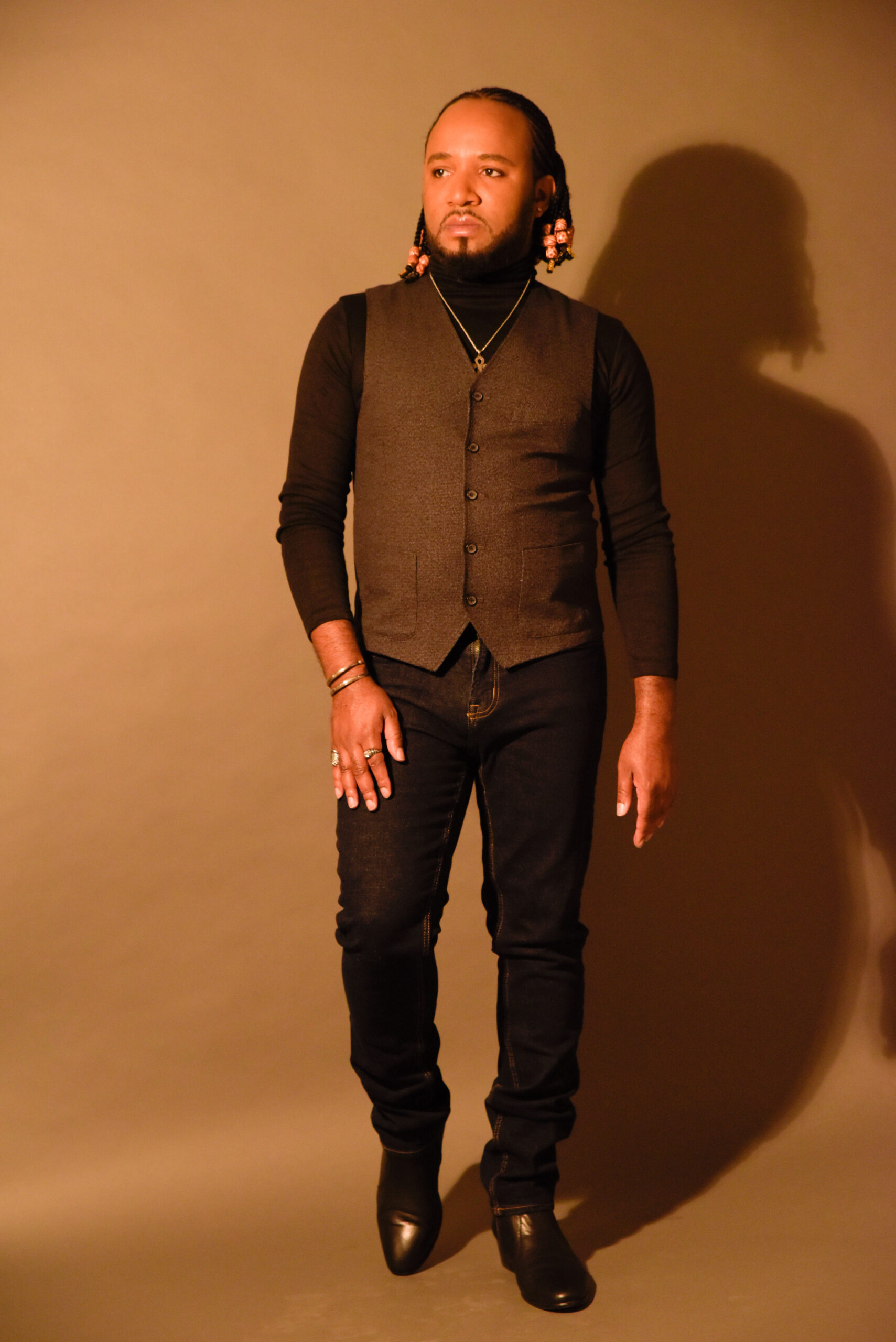
Jay J. Ra’s background illustrates that broader possibility. Born in Kingston, Jamaica, and based in Toronto, he has trained in opera and classical repertoire while developing a contemporary sound across Pop, R&B, Afrobeat, Gospel, and original songwriting. That range allows a private event to include a formal classical moment before moving naturally into a more familiar reception set.
1. Define the singer’s role before choosing the repertoire
The first decision concerns the function of the performance. A singer may be needed for a short entrance, a featured aria, background music during cocktails, a dinner set, or a closing performance with greater energy.
These roles require different approaches. A ceremony may call for one or two carefully selected pieces, while a gala dinner may benefit from several shorter appearances placed between speeches and courses. A corporate event may need music that adds atmosphere without competing with presentations, whereas a private celebration may allow a more visible and dramatic performance.
A clear event brief gives the vocalist enough information to prepare appropriately. It should include the event type, guest profile, venue, schedule, desired mood, and whether the music should remain atmospheric or become a central part of the program.
2. Opera does not have to mean a full concert
A classical voice can be used in a way that suits the scale of the occasion. A short operatic passage may create a formal opening, while a mixed set can make the performance more accessible to guests who do not regularly listen to opera.
This is particularly useful when the event needs contrast. A vocalist might begin with classical repertoire during a formal welcome, transition into soulful material during dinner, and later introduce Pop, R&B, Afrobeat, or Gospel influences as the atmosphere becomes more relaxed.
The result is not necessarily a traditional opera recital. It is a live performance shaped around the event’s natural movement.
3. Repertoire should match the audience and occasion
Repertoire is one of the most important areas to discuss before a booking is confirmed. Planners should consider whether guests are likely to respond to arias in their original languages, classical crossover pieces, familiar standards, contemporary songs, or a combination of styles.
The strongest program usually has a clear internal logic. It does not attempt to include every genre simply to demonstrate range. Instead, the music should support the event’s tone, cultural setting, and purpose.
For example, a gala may call for a restrained classical selection, while a multicultural celebration may benefit from the inclusion of Gospel, Afrobeat, Caribbean influence, or widely recognized contemporary material. A private anniversary or wedding may also involve a requested song that carries personal significance.
Jay J. Ra’s artist bio provides context for the musical traditions that have shaped his work, including church singing, gospel choir performance, classical repertoire, opera training, and contemporary songwriting.
4. A solo vocalist can work in several formats
An opera singer may perform solo with backing tracks, with a pianist, alongside another vocalist, or as part of a larger ensemble. Each format creates a different atmosphere and carries different technical and budget considerations.
A solo performance can be appropriate for an intimate room or a short featured appearance. Voice with piano may offer a more traditional classical setting, while a vocalist with carefully selected backing tracks can provide greater flexibility across genres. A duo or ensemble may be better suited to a larger gala or a performance intended to occupy the centre of the evening.
The format should be decided alongside the venue and schedule. A performance area that works for one singer may not accommodate a pianist, additional musicians, or a larger sound system.
5. The venue’s acoustics will affect the experience
A trained operatic voice is developed for projection, and some smaller indoor spaces may allow the vocalist to perform with limited amplification. That does not mean every venue is automatically suitable for an unamplified performance.
Large halls, outdoor locations, crowded receptions, and rooms with significant background noise may require microphones and speakers. Hard surfaces can create natural reverberation, while heavily carpeted or draped rooms may absorb sound. The placement of tables, stages, bars, and presentation screens can also affect how effectively the audience hears the performance.
An early conversation with the venue’s technical team can prevent avoidable problems. The singer, event organizer, and venue should establish whether a PA system is available, who will operate it, and whether a sound check is required.
6. Technical requirements should be documented
A professional live music entertainment booking should identify more than the performance fee. It should also clarify the equipment, setup time, performance area, access arrangements, power supply, and sound-check schedule.
For a private event, the agreement should ideally confirm:
- The number and length of performance sets
- Arrival and setup time
- Sound-check requirements
- Whether the vocalist provides a microphone or backing tracks
- Whether the venue supplies speakers, stands, monitors, or instruments
- The size and location of the performance area
- Breaks, speeches, and other interruptions
- Parking, load-in, and changing-room arrangements
These details support the artistic experience rather than limiting it. When the practical requirements are clear, the singer can concentrate on the performance and the event organizer can manage the wider program with greater confidence.
7. The quotation should reflect the full scope of work
The cost of an opera singer for private events can vary according to the length of the performance, travel, rehearsal time, accompanists, technical equipment, special song requests, and the number of sets required.
A short ceremony appearance and a three-part evening performance are not equivalent bookings. Additional preparation may also be needed when a vocalist is asked to learn a particular song, coordinate with a ceremony procession, perform with live musicians, or participate in a branded presentation.
Planners should request a written quotation that explains what is included. Deposit terms, payment deadlines, cancellation conditions, travel expenses, overtime, and rescheduling arrangements should be understood before the booking is finalized.
8. Timing and dress should support the event’s identity
An opera singer can contribute to the visual character of a private event as well as its sound. Formal attire may suit a gala, award ceremony, or wedding, while a more contemporary presentation may be appropriate for a brand gathering or cultural celebration.
Dress should be discussed alongside the role of the performance. A singer appearing during guest arrival may need a different level of visual prominence from an artist introduced as the evening’s featured performer.
Timing is equally important. The performance should be placed where it can be heard and appreciated, rather than competing with speeches, meal service, networking, or announcements. A short classical feature may work well before dinner, while a genre-blending set can become more effective once the formal program has concluded.
9. Live performance evidence matters more than a genre list
A biography may list opera, Pop, R&B, Afrobeat, and Gospel, but a planner also needs to understand how the artist manages a real room. Live footage, recordings, and past event information can help establish vocal consistency, stage presence, communication, and adaptability.
The key question is not simply whether a singer can perform different styles. It is whether those styles remain connected by a clear artistic identity. A versatile vocalist should be able to change musical direction without making the event feel fragmented.
Jay J. Ra’s music catalog offers a starting point for understanding his contemporary work, while his events page provides a reference for live-performance activity. Together, these materials can help planners begin a more specific conversation about repertoire and format.
10. A versatile vocalist can carry more than one part of the evening
One of the clearest advantages of working with a genre-flexible singer is continuity. Instead of hiring separate performers for the formal opening, dinner atmosphere, and reception, an organizer may be able to shape several parts of the event around one professional vocalist.
That approach can simplify communication while giving the evening a more coherent musical identity. A singer with classical training may provide the formality required for an entrance or awards moment, then move into Pop, R&B, Afrobeat, Gospel, or original material as the event develops.
This is where planners may choose to hire a versatile vocalist rather than book a performer limited to one fixed style. The decision is not based on variety alone. It depends on whether the singer can adjust energy, repertoire, volume, and stage presence while maintaining professionalism throughout the event.
Optional sensory details can complement the performance
Some private events also include carefully selected physical details that reinforce the atmosphere. A custom candle or a “Dress Code” candle and room spray may be considered as a separate artisan element for a guest welcome, branded setting, or intimate event environment.
Jay J. Ra’s artisan concepts, developed in connection with Artistpreneurs Ink, are not substitutes for live entertainment and would require separate planning around scent, quantities, production, and presentation. They illustrate, however, how music and atmosphere can be considered as related parts of a larger event identity.

The booking path
For planners searching for a professional singer songwriter for hire, the first step is a direct conversation about the event’s purpose, audience, location, performance schedule, and desired musical direction. A useful inquiry should explain whether the occasion is a private celebration, wedding, gala, cultural event, or corporate event live entertainment opportunity.
Jay J. Ra’s background across Classical and Opera, Pop, R&B, Afrobeat, and Gospel creates a practical foundation for events that need both refinement and flexibility. His Kingston and Toronto connection also informs an artistic perspective shaped by multiple musical traditions and international influences.
A successful booking does not depend on making opera feel unfamiliar or excessive. It depends on placing a trained voice in the right role, with the right repertoire, technical preparation, and level of prominence.
For private-event organizers considering an opera singer, that distinction opens a useful possibility: one vocalist can provide a formal beginning, a grounded middle, and a more contemporary close while preserving continuity across the occasion. That is the value of thoughtful versatility.
